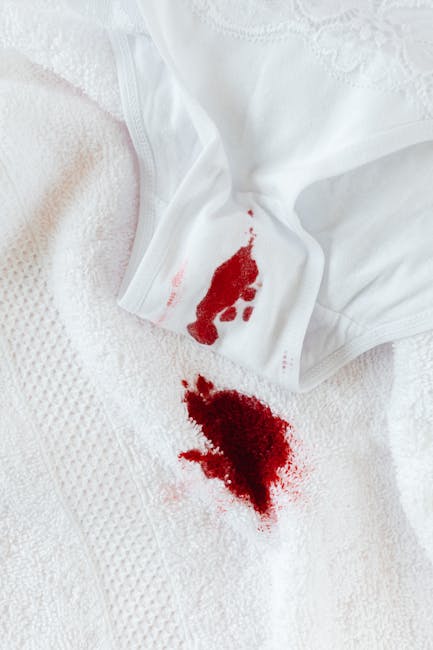
Emergency stain removal cleaning after Crystal Palace nights out
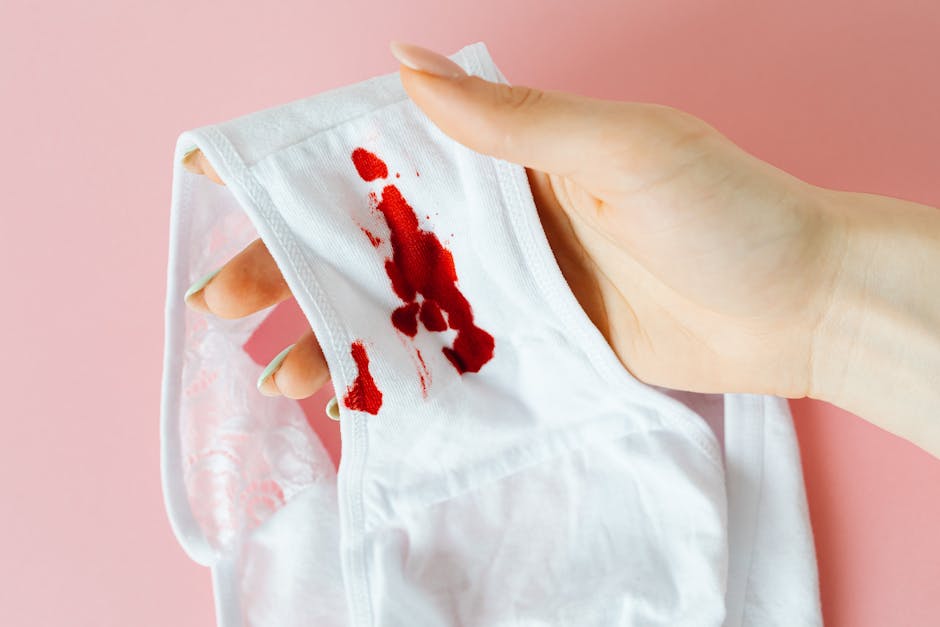
If you've come home from Crystal Palace on a Friday or Saturday night and found a red wine splash on the carpet, beer on the sofa, or muddy marks across the hallway, you already know the feeling: that little drop in your stomach when you spot the damage in the morning light. Emergency stain removal cleaning after Crystal Palace nights out is really about stopping a small accident from turning into a permanent mark, a lingering smell, or a much bigger clean-up later. The good news? With the right first steps, many nightlife stains can be reduced fast - sometimes a lot faster than people expect.
This guide walks you through what to do first, what not to do, when a professional clean makes sense, and how to protect carpets, rugs, upholstery, curtains and hard floors after a lively evening out. It's practical, honest, and written for real life - not showroom-perfect homes.
Why Emergency stain removal cleaning after Crystal Palace nights out Matters
Stains from nights out tend to be messy in a very specific way. They are often a mix of liquid, food, make-up, mud, drink residue and body oils. That combination can spread quickly into fibres, especially on absorbent materials like carpet, wool rugs, fabric sofas and upholstered chairs. Leave it until the next day and the stain can start drying in layers, which makes removal much harder.
Crystal Palace is busy, social and lively, which is part of the appeal. But if you're hosting friends, coming back in a hurry, or dealing with take-away spills after a late one, the odds of a stain are simply higher. A dropped glass on a stair runner or a patch of greasy food on an armchair doesn't just look untidy. It can also leave odour behind, attract further dirt, and make a room feel less cared for. Let's face it, nothing ruins the next morning quite like discovering a bright mark on a light carpet.
Quick action matters because the chemistry of the spill matters. Red wine, coffee, lager, cocktail mixers, sauce, cosmetics and even muddy water all behave differently. Some stains bond to fibres; others wick back up after you think you've removed them. Professional stain removal exists because one-size-fits-all cleaning rarely works. A damp cloth and determination are not always enough. Frustrating, but true.
There's also a practical side. If you rent, run an Airbnb, manage a shared property, or simply want to keep your home in decent shape, emergency treatment can protect a deposit, a guest review or just your own weekend plans. If you need a deeper reset after a rough night, a one-off cleaning service can often be the sensible follow-up, especially when the stain is one of several household messes that need attention.
How Emergency stain removal cleaning after Crystal Palace nights out Works
Emergency stain removal is a controlled response. The aim is not just to make the stain look smaller. The aim is to remove as much of the contaminant as possible without damaging the material underneath. That usually means identifying the stain type, checking the fabric or surface, testing a cleaning solution in a hidden spot, and working from the outside in so the mark does not spread.
In simple terms, a cleaner will ask: what caused the stain, what surface is affected, how long has it been there, and how delicate is the material? A leather sofa, a wool rug and a sealed tile floor all need very different treatment. On carpets and upholstery, the process often includes absorbent blotting, low-moisture extraction, spot treatment, rinse steps and odour control. On hard flooring, it may be a matter of lifting residue safely without scratching or dulling the finish.
The best emergency response also considers what was in the drink or food. Sugary drinks can leave sticky residues; alcohol can carry pigment deeper into fibres; sauces and oils need a different approach from water-based spills. That's why a fast, careful response usually beats a heavy-handed scrub. More pressure is not more cleaning. Sometimes it's just more damage.
Where the stain has reached deeper layers - under carpet pile, into upholstery foam, or into a mattress seam - specialised equipment may be needed. In those cases, a professional stain removal treatment or targeted upholstery cleaning can be the difference between a temporary patch and a real solution.
Key Benefits and Practical Advantages
There's more to emergency stain treatment than making a surface look nicer. When done properly, it helps preserve the material, reduce odours and avoid the creeping spread of dirt that makes a property feel older than it is. Small win, big difference.
- Faster recovery: prompt action can stop stains setting in overnight.
- Lower risk of permanent marking: especially important on pale carpets, natural fibres and textured fabrics.
- Better smell control: drink spills, food residue and wet footwear can all leave unwanted odours.
- Less fibre damage: careful treatment avoids rough scrubbing that can distort pile or fabric.
- Better presentation: useful for homes, rentals, guest stays and shared entrances.
- Peace of mind: you know the mess has been dealt with properly, not just hidden.
For renters, the benefit can be financial as well as visual. For hosts, the benefit is reputational. And for homeowners, honestly, it just makes the place feel like home again. A clean room after a chaotic night has a very particular kind of relief attached to it.
If your evening spill has spread beyond one item, it may be worth considering related services too. For example, a stained lounge may also need sofa cleaning, while a spill on a decorative piece might call for rug cleaning to prevent colour loss or odour retention.
Who This Is For and When It Makes Sense
This kind of urgent cleaning is useful for anyone dealing with an unexpected mess after a night out, but it's especially helpful in certain situations. If any of the scenarios below sound familiar, you're probably in the right place.
- Homeowners who want to prevent a small spill becoming a lasting blemish.
- Renters who need to protect a deposit and avoid unnecessary repair claims.
- Airbnb hosts who need a room turned around quickly and properly.
- Shared-house residents who want to keep communal spaces usable and pleasant.
- Families managing busy weekends, guests and a lot of foot traffic through the house.
- Local businesses that host events or staff socials and need quick reset cleaning.
It makes sense when the stain is fresh, visible, smelly, sticky or spreading. It also makes sense when you've already tried a quick wipe and the mark has changed colour, feathered out, or disappeared only to return after the area dries. That "it looked fine while it was wet" problem is a classic. The stain wasn't gone. It was waiting.
If the mess affected more than one area, you may get better value from a broader service such as domestic cleaning or deep cleaning, especially after a lively weekend with multiple spills, footwear marks and general aftermath.
Step-by-Step Guidance
Here's the calm, sensible way to deal with most nightlife stains before they become permanent.
- Act quickly. The sooner you start, the better your chances.
- Identify the stain. Is it drink, food, grease, make-up, mud or something else?
- Blot, don't rub. Use clean white cloths or plain paper towel and press gently.
- Work from the outside in. This helps prevent the mark spreading.
- Use the mildest suitable solution first. Water or a gentle fabric-safe cleaner may be enough for water-based spills.
- Test in a hidden area. This is especially important for dyed fabrics and natural fibres.
- Remove residue properly. Leftover detergent can attract dirt later.
- Dry carefully. Airflow matters. A fan or open window helps more than over-wetting the area.
- Check for odour or reappearing marks. If the stain returns after drying, it needs more than a quick wipe.
For carpets, a little moisture is often enough. For sofas, cushions and headboards, use caution because water can push the stain deeper into the padding. For hard flooring, avoid flooding the area. Even sealed surfaces dislike too much liquid around edges and joins.
A useful rule of thumb: if you're uncertain after the first careful attempt, stop before you make it worse. That's not giving up. That's good judgement. If the stain is still there or the material is delicate, booking a specialist carpet cleaning service is usually the smarter move.
Expert Tips for Better Results
In our experience, a few small habits make a surprisingly big difference.
- Keep a stain kit at home. White cloths, gloves, paper towels, a soft brush and a bottle for clean water are enough to start.
- Don't use coloured cloths. Dye transfer is a real thing, and it can create a second problem.
- Use cool or lukewarm water first for many drinks. Hot water can set some stains, especially protein-based or sugary ones.
- Avoid overloading with cleaner. More product often means more residue, not a better result.
- Support the area underneath if possible. On upholstered items, towel placement can prevent deeper spread.
- Be patient with odours. Sometimes the stain is technically gone but the smell lingers in the padding.
One thing people often miss is airflow. A damp patch that sits all night can develop a stale smell even if the stain itself is reduced. Open a window if weather allows, and don't trap moisture by piling cushions back on too soon. Sounds obvious, but after a long night out, obvious things are the first to go missing.
Expert summary: The best emergency stain results usually come from fast blotting, minimal moisture, correct product choice and proper drying. Rush the wrong part, and you can turn a small spill into a big repair.
When the issue involves soft furnishings as well as flooring, you may want to pair stain treatment with steam carpet cleaning or oven cleaning if food spills and kitchen mess have both become part of the story. That combination happens more often than people admit.
Common Mistakes to Avoid
A lot of stain damage comes from well-meant but clumsy first aid. Here are the big ones to avoid.
- Rubbing hard: this pushes the stain deeper and can damage pile or fabric fibres.
- Using the wrong chemical: bleach, strong alkalis or random household products can discolour textiles.
- Soaking the area: too much water can spread the stain, cause rings or damage backing materials.
- Using heat too soon: a hairdryer or hot iron can permanently set certain marks.
- Ignoring the backing or padding: the surface may look improved while the smell and residue remain below.
- Waiting until the next day: fresh stains are simply easier to remove.
Another common issue is guessing the stain type and treating everything the same. Red wine is not grease. Coffee is not ink. Mud is not beer. Similar-looking marks often need different approaches, and that's where a cleaner's experience is worth having. Truth be told, most people don't want to spend their Sunday morning becoming a stain detective.
If the stain has already set, or if you can see damage to the pile, seam, or fabric texture, stop and reassess. There's no medal for aggressive DIY cleaning.
Tools, Resources and Recommendations
You don't need a van full of equipment to respond well to a nightlife stain. A sensible home kit is often enough for the first five minutes. After that, if it's still visible, you'll know whether you need outside help.
| Tool or item | Best for | Why it helps |
|---|---|---|
| White microfibre cloths | Blotting spills on carpets and upholstery | They lift liquid without adding dye or lint |
| Plain paper towels | Initial absorbency | Good for first response before deeper cleaning |
| Soft brush | Loose dirt and dried residue | Helps without harsh abrasion |
| Clean spray bottle | Controlled water application | Prevents over-wetting |
| Gloves | General hygiene | Useful when dealing with mixed food and drink spills |
| Portable fan or good airflow | Drying | Reduces the chance of lingering damp smells |
For a more complete reset after a very messy night, it can help to combine spot treatment with broader house cleaning or, if the event was especially intense, regular cleaning to get things back under control for the following week.
If you're comparing professional options, a reputable cleaner should be able to explain the likely method, any fabric limitations, the expected drying time and whether the stain can be fully removed or only improved. That kind of clarity matters. It's a good sign.
Law, Compliance, Standards and Best Practice
For a domestic stain, there usually isn't a legal issue in the way there might be with a building job or workplace incident. Still, best practice matters, especially if the cleaning is being carried out in a rental property, a managed building, a guest stay, or a business setting.
In the UK, responsible cleaning practice generally means using products according to label instructions, keeping chemicals away from children and pets, protecting surfaces from damage, and making sure wet areas are not left slippery. If the spill happened in a shared hallway, stairwell or entrance, it's also sensible to clean promptly so the area stays safe for everyone. That's especially relevant in communal living situations.
For landlords, hosts and managing agents, documentation can be useful if a stain leads to a claim, replacement or repair. That doesn't mean turning everything into paperwork. It simply means taking a few clear photos before and after cleaning, noting what the stain was and what was used, and keeping receipts where appropriate. Not glamorous, but practical.
Where specialist services are involved, it's sensible to check that the company is transparent about insurance and safety, clear on terms and conditions, and upfront about how they handle access, payment and complaints. Those things don't clean a stain, of course. But they do make the whole process less stressful.
If you're arranging cleaning for a property between guests or tenants, a service like end of tenancy cleaning or move-out cleaning may be relevant when stains are part of a wider handover issue. For hosts, Airbnb cleaning can be the better fit when speed and presentation are the priority.
Options, Methods, or Comparison Table
Different stains call for different responses. Here's a simple comparison to help you choose the right approach without overthinking it.
| Method | Best for | Pros | Limitations |
|---|---|---|---|
| Blotting with water | Fresh drink spills on hard-wearing fabrics | Fast, gentle, low risk | May not remove pigment or odour |
| Spot treatment | Visible localised stains | Targets the mark directly | Needs correct product choice |
| Extraction cleaning | Carpets and deeper textile spills | Helps lift residue from fibres | May need drying time |
| Upholstery cleaning | Sofas, chairs, headboards | Addresses fabric and padding concerns | Some fabrics need specialist care |
| Hard-floor cleaning | Tiles, sealed surfaces, vinyl and laminate | Prevents residue build-up and dullness | Edges and joins can still hold liquid |
| Professional stain removal | Set, large, mixed or delicate stains | Best chance of proper restoration | Usually costs more than DIY |
If you're unsure which route to take, the safest decision is often to start with gentle blotting and then escalate only if needed. For mixed stains across several surfaces, broader help such as hard floor cleaning or window cleaning may be useful if the same evening left drink marks, fingerprints or splash residue elsewhere too.
Case Study or Real-World Example
Picture a typical Sunday morning in Crystal Palace: someone comes back late, opens the door too fast, and a glass of red wine tips across a pale living room rug. The first instinct is to scrub it. That usually makes the mark wider and pushes the liquid into the pile. By the time the room has bright daylight and everyone is fully awake, the stain has started to dry at the edges and look patchy.
In a better response, the spill is blotted immediately, the rug is lifted slightly to protect the underlay, and a small amount of suitable solution is tested in a hidden corner. The area is treated gently, residue is removed, and the rug is left to dry with airflow. In many cases, that approach means the mark is reduced enough that it no longer draws the eye. Sometimes it disappears. Sometimes it doesn't disappear completely but becomes much less noticeable, which is still a win in a real home.
Now compare that with a sofa arm where cocktail residue has dried overnight. The fabric may look only lightly marked on top, but the smell tells a different story. That's when a proper sofa cleaning approach is better than a quick wipe. If a pet gets involved later - because, of course, pets have a talent for finding the worst moment - then pet stain odour removal may be needed to deal with both the visible mark and the smell.
Small story, but it happens all the time. The difference is usually not luck. It's speed and restraint.
Practical Checklist
Use this quick checklist when you're dealing with an urgent spill after a night out.
- Act as soon as you notice the stain.
- Identify the likely source of the spill.
- Blot gently with a clean white cloth.
- Avoid rubbing, scrubbing or overheating the area.
- Test any cleaner in a hidden spot first.
- Use the smallest amount of moisture needed.
- Check the stain again after drying.
- Watch for odour, ring marks or colour bleed.
- Escalate to specialist cleaning if the stain remains.
- Book a broader clean if multiple rooms or surfaces were affected.
If you're preparing a property for guests, tenants or a new move, it may be worth combining this with move-in cleaning or move-out cleaning so everything feels properly reset, not just patched up.
Get a free quote today and see how much you can save.
Conclusion
Emergency stain removal cleaning after Crystal Palace nights out is really about staying calm, acting fast and choosing the least risky method that might work. Most fresh stains can be improved, and some can be removed entirely, but only if the right steps happen early enough. The big mistake is treating every spill like a stubborn stain from the start. Sometimes it's simple. Sometimes it's not. The trick is knowing which is which.
If you remember only three things, make them these: blot rather than rub, avoid soaking the area, and stop before you damage the material. After that, if the mark is still there or the smell lingers, professional help is usually the sensible next move. A good clean should make life easier, not create more patching and panic.
And honestly, one bad stain after a fun night out is annoying - but it's not the end of the world. Most of the time, it's just a matter of dealing with it properly and moving on.
Frequently Asked Questions
What counts as emergency stain removal after a night out?
It usually means dealing with fresh spills or marks quickly before they dry, spread or soak deeper into carpet, upholstery or other surfaces. Red wine, beer, grease, make-up and muddy footprints are common examples.
Is it better to blot or rub a stain?
Blot. Rubbing tends to push the stain deeper into the fibres and can damage the surface. A gentle press-and-lift motion is far safer for most fabrics and carpets.
Can I use hot water to remove a stain faster?
Not always. Hot water can set some stains, especially on delicate fabrics or protein-based marks. Cool or lukewarm water is usually the safer first step.
How do I stop a stain from coming back after it dries?
Make sure the stain is fully lifted, not just diluted on the surface. Residue in the backing or padding can wick back up as it dries, which is why careful extraction and proper drying matter.
What should I do if the stain is on a sofa rather than a carpet?
Be extra careful. Upholstery can hold moisture in cushions and padding, so use as little liquid as possible and test the fabric first. If the mark is large or smelly, upholstery cleaning is often the better option.
Are nightlife stains harder to remove than everyday spills?
Often, yes. They can be mixed stains, meaning drink, grease, dirt and cosmetic residue may all be involved at once. That makes the cleaning approach more specific and, frankly, a bit more fiddly.
How soon should I get help if DIY cleaning doesn't work?
As soon as you realise the stain is still visible, has spread, or has left an odour. Waiting usually makes the job harder and may reduce the chances of full removal.
Can professional cleaning help with smell as well as the stain itself?
Yes, especially where the spill has reached the fabric backing, cushion filling or carpet underlay. Odour control is often just as important as the visible mark.
What if the stain is on a rug with a delicate dye?
Stop before using random cleaners. Delicate dyes can bleed or fade quickly. A safer approach is a careful test in a hidden area or specialist rug cleaning if the item is valuable or sentimental.
Is it worth booking a broader clean after a big night out?
If more than one surface is affected, yes, it can be. A combined approach such as deep cleaning or one-off cleaning can restore the whole room instead of just one patch.
How do I know if a stain is beyond DIY cleaning?
If the stain is older than a few hours, has dried hard, covers a large area, affects delicate fibres, or has a strong smell, it's usually time to call in help. Some marks are just not worth experimenting on.
Can emergency stain removal be done on hard floors too?
Absolutely. Hard floors still need prompt care because liquids can seep into grout, edges, joins and unfinished sections. The method is different, but the principle is the same: act fast and avoid damage.
What's the best next step if I need help right now?
Take a quick photo of the stain, note what caused it, and contact a cleaning provider that can advise on the material and likely treatment. If the issue is widespread, ask about a broader clean rather than just a spot fix.
If you want the place back to normal without guessing your way through it, start with the right clean, stay calm, and let the job be handled properly. Small mess, sorted. That's the goal.